MIDDLE EAST
FROM PERSIA TO PARIS: A JOURNEY OF IDEAS AND CULTURES (SIXTEENTH-TWENTIETH CENTURIES)
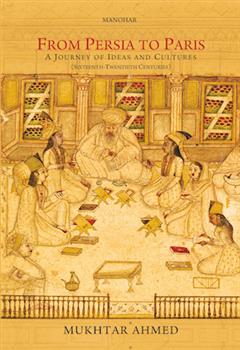
Iran occupies a crucial place in global geopolitics, serving as a vital link between the East and the West. Historically, it stood as a key conduit along the Silk Route, facilitating not only the exchange of goods but also enabling the flow of ideas and cultural interactions across Eurasia. Over the past five decades, Iran has experienced significant transformations that have shaped its standing on both national and international stages. The contemporary perception of Iran as a theocratic and volatile state is informed by a myriad of factors – political, cultural, and media-driven – that often distort the nation’s complex realities. This prompts a critical inquiry: Has Iran always been perceived through this lens? To address this question, this book intends to examine the rich and complex history of the four centuries preceding the present, encompassing the dynastic transitions, the legacies of colonial entanglements, pivotal constitutional movements, and far-reaching cultural developments that have all contributed to Iran’s multifaceted identity. Through a nuanced understanding of these historical contexts, one can begin to uncover the deeper layers of history that continue to shape the nation’s prevailing narratives. About the Author Mukhtar Ahmed is an Assistant Professor in the Department of Persian at the University of Delhi, Delhi, India. His scholarly work focuses on modern Persian literature and comparative literature. With a keen interest in Persianate societies, his current research focusses on Indo-Persian literature.
Some more books of similar interest