OTHERS
SOCIO-CULTURAL HISTORY OF MEDIEVAL INDIA: VOICES FROM SUFISM
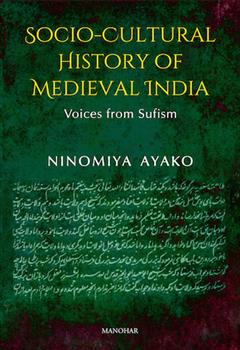
Sufism as a composition of various social and cultural institutions is an important element of everyday life under the Delhi Sultanate, when more and more people started to be involved into its practices. This book deals with the social and cultural aspects of Sufism in India during the thirteenth-fourteenth century in four different dimensions: pir-murid relationships for affiliates, regulations of pir-murid relationships and Sufi organizations, Sufism’s relationships with political power, and legends and remnants related to Sufism and Sufi masters. In this book, Persian works on Sufism during the period are read as voices from those who practiced Sufism in their everyday lives. With an ethnomethodological approach and application of concepts from Pierre Bourdieu’s theory of practice, these ‘voices’ provide precious insights into the feelings and mentalities of people in Medieval India, their views on religious beliefs and doctrines, social relationships, authorities, and literary genres that evolved around Sufism. About the Author Ninomiya Ayako is a researcher of the cultural and social history of premodern India, focusing on Sufism, Islamic culture, and intellectual history. She stayed at Aligarh Muslim University as a visiting researcher from 2003 to 2006 and obtained her Ph.D. degree from Kyoto University in 2009. She also stayed at University of North Carolina, Chapel Hill, in 2018. She is currently working as a Professor of History at Aoyama Gakuin University, Japan.
Some more books of similar interest